
Upper Silesia • 1918–1922
Short guidePOWSTANIA Silesian Uprisings
1919 • 1920 • 1921
Upper Silesia, 1919–1922.
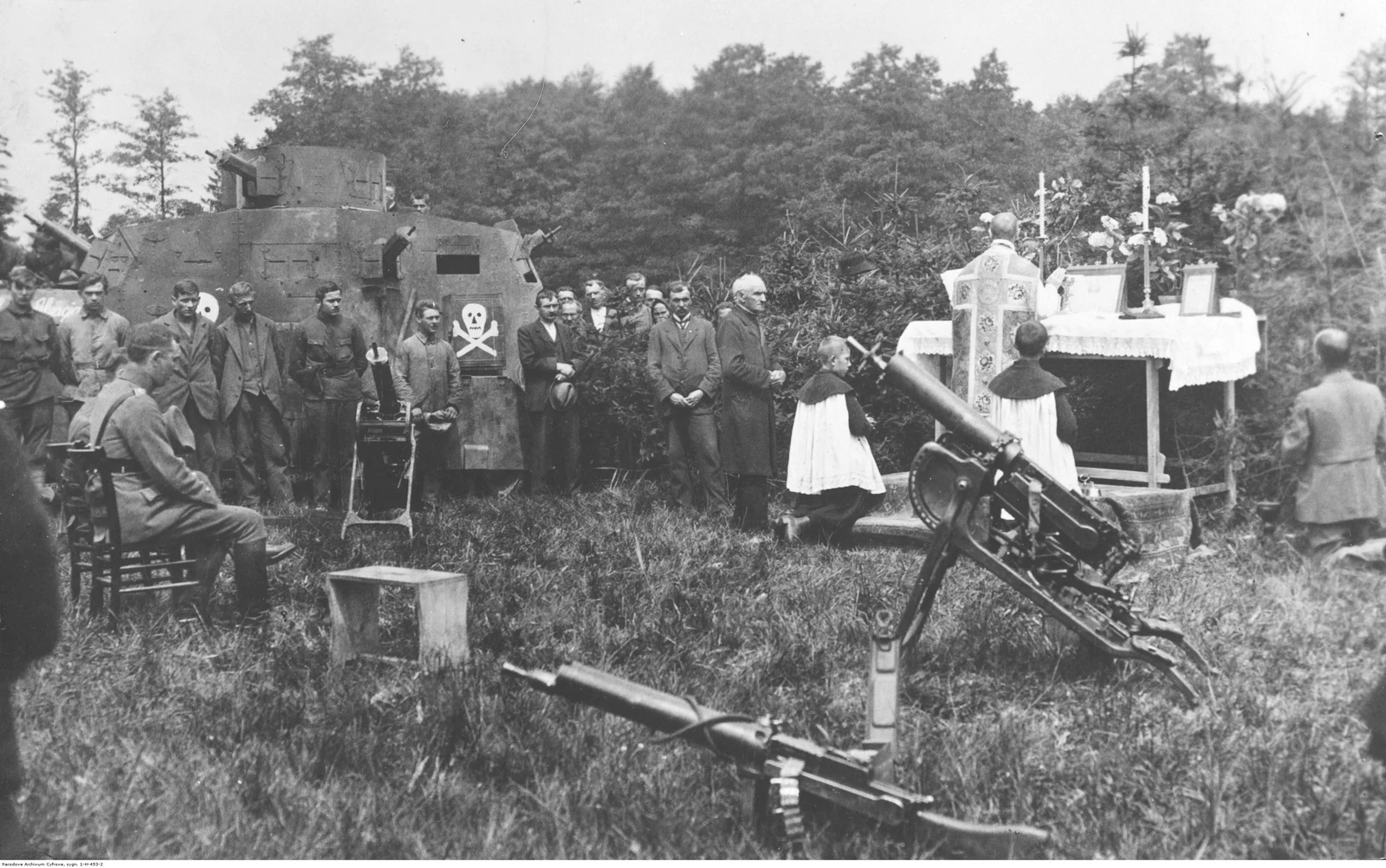
The First Silesian Uprising
The first uprising began in August 1919, following strikes and the killings at the Mysłowice mine. The insurgents were unable to defeat the German forces.
Read the chapter
The Second Silesian Uprising
In August 1920, the insurgents demanded the dissolution of the German security police. The fighting led to the creation of a Polish–German Plebiscite Police force.
Read the chapter
The Third Silesian Uprising
The uprising began on the night of 2–3 May 1921. Korfanty wanted to influence the division of the region before the Allies settled the border.
Read the chapterUpper Silesia after the war
After 1918, Poland and Germany disputed the region’s future. For its residents, the dispute also concerned work, safety and belonging.
Household language did not determine national identification or a plebiscite vote. Some inhabitants used Polish or Silesian varieties of speech while favouring Germany. Regional, religious and family attachments could overlap with Polish or German affiliations.
Sources for this passage
- Celebrating the nation: the case of Upper Silesia after the plebiscite in 1921Identity: pp. 50–51; Fic: paragraphs on language and propaganda
- Upper Silesia plebiscite – an intensive course in Polish identityIdentity: pp. 50–51; Fic: paragraphs on language and propaganda
Places of the uprisings
Choose a place to see its related events. Select a year to narrow the results.
Open the mapPhotographs and documents
Historical photographs of participants and a document about preparations for the plebiscite.
Archive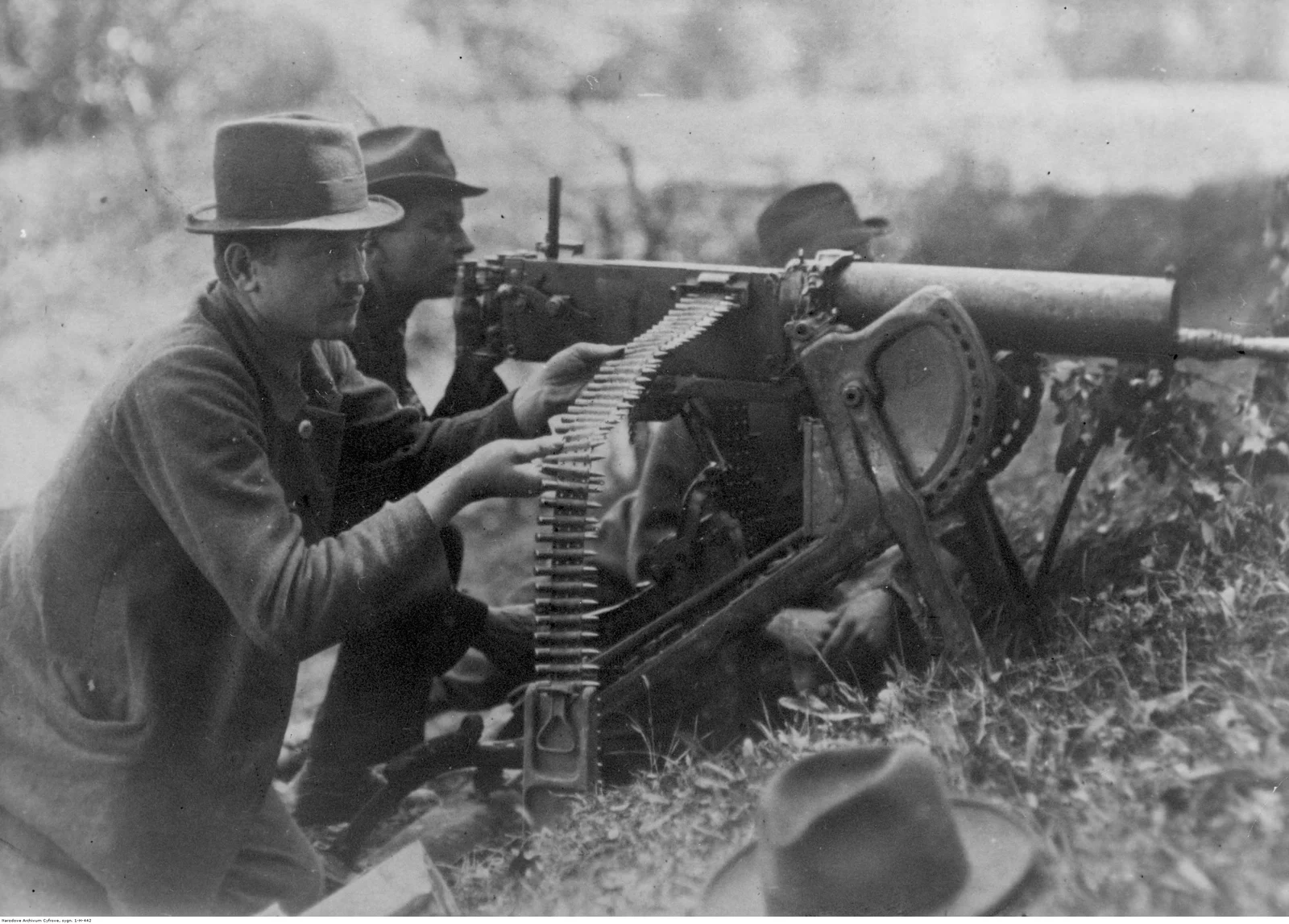
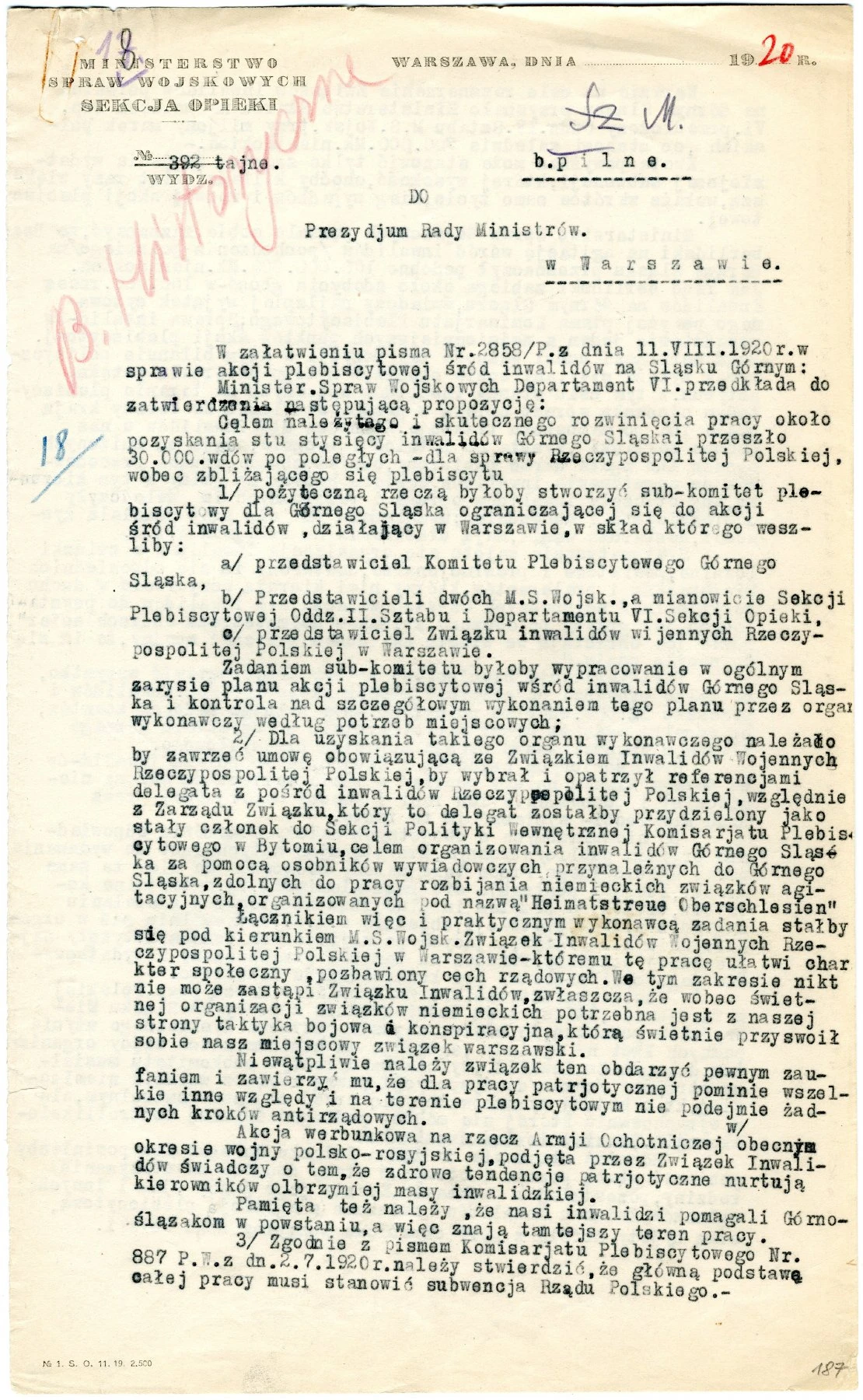
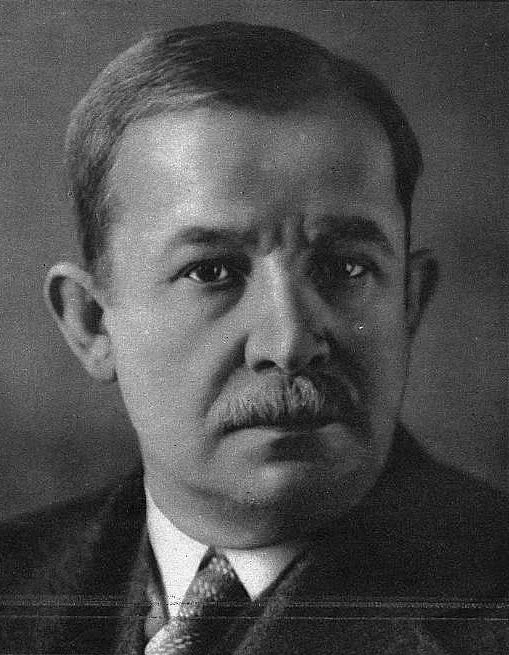
Read more
Sources and further reading
Every important claim leads to evidence. Uncertain dates, conflicting totals and gaps in the record are identified explicitly.
About